


What Your Dog's "Accidents" Are Actually Trying to Tell You — And Why Ignoring It Could Be Fatal
After 14 years running one of California's busiest animal shelters, Sarah Mitchell watched hundreds of dogs die from infections their owners never knew they had.
So she built the one thing that could have stopped it all — and made it available to every dog owner in America.
If you have a dog who has accidents in the house, please read this before you do anything else. What I'm about to share could save your dog's life.


The Moment I Knew I Had to Say Something

My name is Sarah Mitchell.
For 14 years I was the director of Riverside County Animal Shelter in California.
In that time, more than 4,200 dogs passed through our doors. I loved every one of them.
But there is one dog I think about every single day. Her name was Luna.
Luna was a three-year-old female beagle. Sweet, gentle, healthy. Or so her family thought.
They surrendered her because she kept having accidents in the house.
The vet had told them she was physically fine. They assumed it was a training problem. So they gave up on her.
I took Luna in personally.
I set up a bed for her in my office. I watched her eat, drink, sleep. She seemed okay.
But on her third day with me, she stopped eating.
By the fourth day, she couldn't stand without shaking. I rushed her to our shelter vet.
The diagnosis came back in under an hour. Luna had a severe kidney infection. It had spread from an untreated urinary tract infection that had been building for weeks, possibly months, while her family thought she was just misbehaving.
Luna died two days later. She was three years old. She was not aggressive. She was not untrainable. She was a dog whose body had been screaming for help — and everyone around her thought it was a behavior problem.
That night, I pulled out 14 years of shelter records and I started looking for a pattern. What I found shook me to my core.
Luna Wasn't the Exception. She Was the Rule.
I had always tracked surrender reasons, infection rates, and health outcomes in our shelter. I had never connected the dots between them.
When I finally did, the numbers made me feel sick.

These dogs were already sick when their families had them.
Their bodies had been fighting an infection for weeks. Nobody knew — not the owners, not always even the vets they had seen.
The accidents looked like a training failure. The real story was playing out at the cellular level, invisible to everyone in that house.
Here Is What Is Happening Inside Your Dog's Body Right Now
When a dog holds their urine for too long, something starts happening at the microscopic level that most owners never think about.
Urination is not just elimination. It is your dog's primary defense mechanism against bacterial infection.
Every time your dog urinates, their body physically flushes bacteria out of the urinary tract.
The moment they stop urinating frequently enough — whether because they can't get outside, because they refuse to use a pad that doesn't make sense to them, or simply because there is nowhere appropriate to go — bacteria that entered through the urethra begin to multiply.
In a warm, moist, stagnant environment, bacteria can double every 20 minutes.

This progression is called urosepsis — and it kills dogs. Not occasionally. Not rarely.
According to veterinary internal medicine research, urosepsis carries a mortality rate of up to 70% in dogs once it reaches systemic infection.
Luna made it to Stage 4 before anyone realized she was even sick.
And here is the part that keeps me up at night: UTIs in dogs are often completely silent.
There may be no whimpering, no obvious pain, no visible symptoms for weeks. By the time you notice something is wrong, the infection may have already spread.
The accidents you see are frequently your dog's only way of telling you something is wrong.
Not because they are untrained, but because the infection is making it physically impossible for them to hold it.
If You Have a Female Dog, Your Risk Is Not Average. It Is Three to Four Times Higher.
After Luna died, I had our shelter vet run the numbers on which dogs in our records had arrived with urinary infections.
What she found was something every female dog owner needs to hear.

Female dogs have a urethra that is significantly shorter and wider than males. This means bacteria have far less distance to travel before reaching the bladder.
Infections form faster. The window between 'everything is fine' and 'this is a medical emergency' is much smaller.
Every extra hour your female dog spends holding it is statistically more dangerous for her than it would be for a male.
Luna was a female beagle. Of the 11 dogs we lost to urinary-related complications during my 14 years at the shelter, 9 of them were female.
This is not a coincidence. This is biology.
The Problem Is Not Your Dog. And It Is Not You.
When I started looking at why dogs weren't going when they needed to, the answer surprised me.
It wasn't stubbornness. It wasn't poor training. It was something far simpler, something the pet industry had been getting catastrophically wrong for decades.
Think about what a disposable pee pad smells like to your dog. Their nose is between 10,000 and 100,000 times more sensitive than yours.
That pad smells like plastic. Like chemicals. Like nothing that has ever been near another dog.
To your dog's brain, wired by thousands of years of evolution to seek specific scent cues before eliminating, that pad does not smell like a bathroom.
It smells like garbage. So they ignore it. They hold it. And the clock starts ticking.

I watched this happen with thousands of dogs in our shelter.
We would put down a standard disposable pad. The dog would walk around it, on it, past it, and then hold it for 10, 12, sometimes 14 hours rather than use something that made no instinctual sense to them.
And in the holding, the damage was being done.
The disposable pad industry makes $2.8 billion per year. They have every financial incentive to keep selling you pads that don't work. They have no incentive whatsoever to solve the problem.
Then I Noticed Something Strange in My Own Shelter Records
After Luna, I became obsessed with one question: why did some dogs in our shelter stay healthy while others got sick?
I started tracking everything. Food intake. Exercise. Stress levels. Kennel placement. And then I noticed something that seemed almost too simple.
The dogs who were consistently using our pads — who had found the scent cues that told their brain 'this is a safe place to go' — had dramatically lower infection rates.
They weren't holding it. They were flushing bacteria naturally, the way their bodies were designed to.
Their immune systems weren't fighting an infection. They were thriving.
The dogs who refused the pads, who continued holding it the way they had been doing at home, were the ones whose infections progressed. They were the ones who needed antibiotics. They were the ones we lost.
I went back through five years of shelter records and the correlation was undeniable. Regular, frequent urination was not just a comfort issue. It was a health intervention. And the pads we were using were actively preventing it from happening.

I Spent Two Years and Everything I Had to Fix This. Because Luna Deserved Better. And So Does Your Dog.
I knew the problem. Dogs weren't using pads because pads didn't speak their language. So I went looking for the compound that would.
I partnered with two veterinary behaviorists and a team of scent scientists. We tested 47 different formulations for the dogs in our shelter. We failed 46 times. Then we found it.
The specific pheromone compound dogs naturally use to mark elimination sites, methyl p-hydroxybenzoate, infused into a reusable pad using a time-release polymer system.
Not sprayed on the surface. Not applied externally. Locked into the pad's core layer, where it releases slowly across 300+ washes. Invisible to humans. Unmistakable to dogs.

The first dog we tested it with was a 4-year-old female shepherd mix who had refused every other pad for six months.
She walked up to the Pup Pad, sniffed it for three seconds, and used it immediately.
I started crying. After everything. After Luna. After two years of failed formulas. It worked.

90-DAY MONEY BACK GUARANTEE
Here Is Exactly Why Your Dog Will Use This on the First Try. And Keep Using It.
This is not magic. This is biology. And understanding it will change how you think about every accident your dog has ever had.
When a dog needs to eliminate, their brain is running a scent-based search.
It is looking for two specific signals: territorial pheromone markers left by other dogs (which communicate 'this is a designated bathroom spot') and appropriate substrate texture.
Regular pee pads address texture. They completely ignore scent. The Pup Pad addresses both.
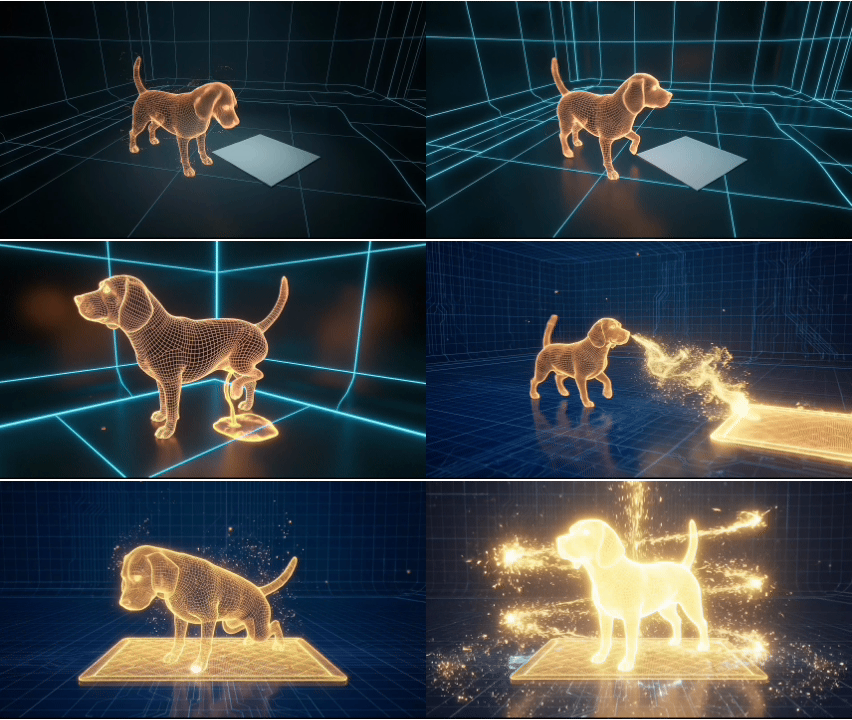
Your nose has 6 million scent receptors. Your dog's nose has 300 million.
The moment they approach the Pup Pad, their olfactory system detects exactly what their instincts have been searching for.
There is no confusion. No sniffing and walking away. No accidents two feet from the pad. Just: immediate recognition, immediate use.
And because the pheromone compound is locked into the pad's core, not sprayed onto a surface that dissipates, it remains detectable to your dog through 300+ wash cycles.
Over an entire year. Every single time they approach it, the signal is still there.
What Happened When We Introduced the Pup Pad to Our Shelter
We ran a six-month trial with 214 dogs across three shelter facilities. The results were unlike anything I had seen in 14 years of shelter work.

These dogs were not trained. They received no treats, no commands, no behavioral intervention of any kind. They simply walked up to the pad, recognized the scent cue their instincts had been looking for, and used it.
Some of them had never successfully used a pad in their entire lives.
For me, the most important number was not the 89% first-try success rate. It was the infection numbers. Because every dog who used the pad consistently was a dog who wasn't holding it.
A dog who wasn't holding it was a dog whose body was doing what it was designed to do, flushing bacteria, staying healthy, giving their immune system the space it needed to function.
50,000+ Dog Owners. One Consistent Result.
After the shelter trial, word spread faster than I ever expected. Within 18 months, the Pup Pad was in more than 50,000 homes. Here is a small sample of what owners have shared:


Why Disposable Pads Don't Just Fail at Training. They Fail at Keeping Your Dog Healthy.
I want to be direct with you. Disposable pads are not just inconvenient. They are contributing to the exact problem they are supposed to solve.
Here is why:
Because dogs won't reliably use disposable pads, they hold it longer. Because they hold it longer, bacteria accumulate. Because bacteria accumulate, infections form.
The $2.8 billion disposable pad industry is not just failing to solve the problem — it is making it worse. And they have known this for years.
What Makes NovaPaw
Far Superior to Others
Pheromone Signal Technology: Embedded in the fabric. Your dog's instinct does the training
300+ Machine Washes: One pad replaces years of disposables.
4-Layer Leak-Proof Absorption: Locks moisture in. Nothing reaches your floor.
Shred-Resistant Fabric: Built to survive chewing, clawing, and puppy chaos.
Antimicrobial Odor Control: Breaks down bacteria. No lingering smell after washing.
90-Day Money-Back Guarantee: Doesn't work? Full refund. No questions.

NovaPaw Pup Pad

Disposable Pads
Why Disposable Pads Won't Work: The industry needs you to keep buying.
That model requires a product that is just good enough to keep you trying, but never good enough to solve the problem.
I watched this cycle destroy the health of hundreds of dogs in our shelter. Dogs who were labeled 'untrained' when the truth was the product never gave them a fighting chance.
Why the Pup Pad Works: Because it solves the root problem. A dog who uses the pad consistently is a dog who is not holding it. A dog who is not holding it is a dog who is protecting their own urinary health every single day, without you needing to do anything except put the pad down.
What Makes This Pad Different From Anything Else on the Market
I did not cut corners on a single element. Every feature exists because I watched what happened when it was missing.
1

Patented Pheromone Infusion Technology: Methyl p-hydroxybenzoate, the exact compound dogs use to mark elimination sites, is locked into the pad's absorption layer using a time-release polymer system. It signals 'bathroom spot' to your dog instantly, without any training.
2

4-Layer Leak Defense System: The outer layer pulls liquid down and away from the surface. The absorption core locks it in. The antimicrobial layer eliminates odor at the source. The waterproof base keeps your floors completely dry.
3

Built for 300+ Wash Cycles: One pad replaces more than 1,000 disposables over its lifetime. Machine-washable, quick-drying, and shelter-grade durable. The pheromone compound survives every wash because it is bonded into the core, not applied to the surface.
Get the Same Pad We Use in Our Shelter — Now Available to Every Dog Owner
Get the Same Pad We Use in Our Shelter — Now Available to Every Dog Owner
Most customers choose the Buy 3, Get 3 Free bundle. Here is the placement strategy that works best: one pad in the living room for daytime access, one in the bedroom for overnight emergencies, one near the front door to catch the moments between needing to go and getting the leash on, one backup while others are washing, one for the car or travel, and one for a second location.
With six pads, you are never without a clean pad when your dog needs it most.

Free Shipping
The Luna Promise

I created the Pup Pad because of Luna. Because she deserved a world where her body's need to go didn't get mistaken for disobedience.
Because she deserved a pad that spoke her language. Because no dog should die from something this preventable.
So here is my promise to you. Try the Pup Pad for 90 days. Use it. Wash it. Let your dog use it as many times as they need. If your dog doesn't use it, if it doesn't perform the way I've described, if you're not completely satisfied for any reason at all, send it back and I will refund every penny.
No complicated process. No restocking fees. No questions asked. You can even return it after washing it.
I'm this confident for one reason: 89% of dogs use this pad correctly on the first try. Once you see that. Once you watch your dog walk up to it, recognize it, and use it without any prompting. You will understand why I've dedicated the last seven years of my life to making this available to every dog owner in America.
You have nothing to lose. Your dog has everything to gain.
90-DAY MONEY BACK GUARANTEE
Questions? I Have Answers.
Will my dog actually use this without any training?
89% of dogs use the Pup Pad correctly on their very first try with zero training, treats, or commands. The pheromone compound signals to your dog's instincts exactly where to go, the same signal dogs have responded to for thousands of years of evolution. If your dog is in the 11% who need a little more time, they are typically consistent within 24 hours. And if for any reason they don't take to it, the 90-day guarantee means you lose nothing.
How is this different from attractant sprays I've tried that didn't work?
Attractant sprays sit on the surface of a pad and dissipate within hours to days. The pheromone compound in the Pup Pad is bonded into the core layer using a time-release polymer system. It doesn't wash off. It doesn't fade. It stays detectable to your dog through 300+ wash cycles, more than an entire year of regular use.
Will my house smell like dog urine?
No. The Pup Pad's antimicrobial core layer neutralizes odor at the molecular level rather than masking it. Between washes, the pad stays odor-free. When you do wash it, it takes less than 30 seconds to rinse and a standard machine cycle to fully clean.
My dog destroys everything. Will this hold up?
The Pup Pad is built to the same durability standard we used in our shelter, where it needed to handle dogs up to 100+ pounds with high anxiety and destructive habits. It is chew-resistant, tear-proof, and maintains its structural integrity through daily heavy use. No pad is indestructible, but this one comes close.
How many pads do I actually need?
Most customers find that 3 to 6 pads covers every situation — one in each location where accidents happen, plus rotation for washing. The Buy 3, Get 3 Free bundle is our most popular option for exactly this reason. Having multiple pads means you're never without a clean one when your dog needs it most.
What if my dog still doesn't use it?
Then you return it for a full refund. No conditions. No hassle. The 90-day window gives you more than enough time to be certain. But in our experience with over 50,000 customers, a refund due to the dog not using the pad is extremely rare.
Is this safe for puppies?
Yes. The pheromone compound used is naturally occurring and non-toxic. It is the same compound dogs naturally produce. We have simply isolated it and infused it into the pad's core. It is appropriate for dogs of all ages, from 8-week-old puppies to senior dogs.
How do I clean it?
Rinse under warm water, place in a standard washing machine on a normal cycle, and air dry or tumble dry on low. The pad dries in 3 to 4 hours indoors, faster outdoors. The pheromone compound survives every wash cycle.
Give Your Dog What Luna Never Got — A Safe Place to Go When They Need It

I think about Luna every day. I think about the family who didn't know what was wrong. I think about the accidents they mistook for disobedience when Luna was actually in pain and crying out the only way she knew how.
I think about how different everything might have been if they had simply had a pad she would use. A pad that made sense to her biology, that gave her a reliable place to go whenever her body told her it was time.
If you have a dog at home right now who is holding it for too long, who is having accidents, who is straining or going more frequently than usual. Please do not wait. These are not behavior problems. These are symptoms. And the window between 'manageable' and 'emergency' is smaller than most people realize.
The Pup Pad will not solve every problem. But it will give your dog what they most need: a place to go, on their own terms, any time their body tells them it's time.
For many dogs, that is the difference between health and illness. For some, it is the difference between life and death.
Try it for 90 days. I think you are going to feel that flood of relief. The kind that comes when you watch your dog finally, clearly, unmistakably understand exactly where to go. And I think you are going to wish you had found this sooner. I certainly do.
Try It Risk-Free for 90 Days

Sarah Mitchell
Former Shelter Director & Dog Training Consultant
Jan 12, 2026 |
8 min read
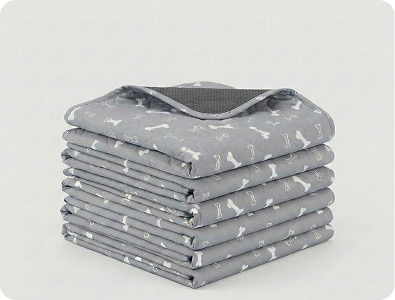
Buy 3, Get 3 FREE
Bundle
-
6 Total Pads (Enough for Every Room)
- FREE Shipping
- FREE PupPad Enzyme Cleaner ($29 value)
- FREE Training Guide ($19 value)
Works Out To Just $32.83 Per Pad
That's Less Than ONE MONTH Of Disposable Pads